
Standard data wasn’t enough. So we built a custom rig, packed a turbine, and are heading for the Himalayas.
In aerospace engineering, “simulation” is a comfortable place to be. You have infinite fuel, perfect weather, and predictable physics. But at Invente, we aren’t interested in the comfortable. We are interested in the edge cases.
We are currently developing a high-altitude platform designed for specialized payload delivery and surveillance. The mission profile requires our airframe to operate efficiently at altitudes where the air is thin, oxygen is scarce, and standard propulsion systems begin to choke.
Most engineering teams would rely on calculated charts to predict turbine performance at 15,000+ feet. We decided that wasn’t good enough.
The Problem with Thin Air
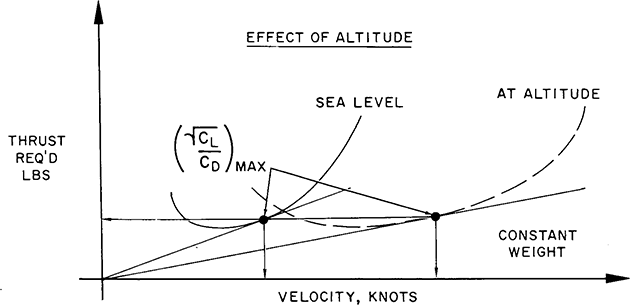
Jet turbines are breathing machines. They need oxygen to burn fuel and mass flow to create thrust. As you climb, air density drops. A turbine that screams at sea level might barely wheeze at 18,000 feet. While theoretical degradation curves exist, they don’t account for the specific interplay between our custom intake geometry, the specific turbine map, and the harsh environmental variables of the Himalayas.
We need truth, not estimates.
The Solution: The High Altitude Expedition
This month, the Invente team is packing up our lab and moving it to the mountains.
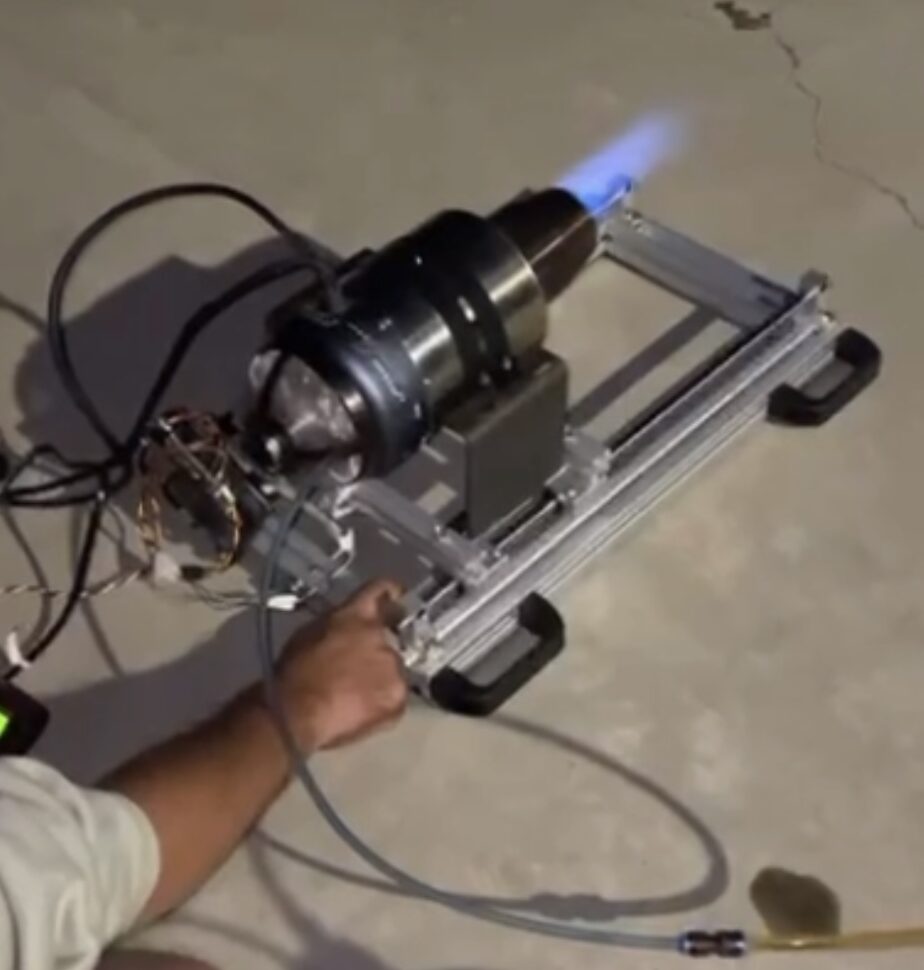
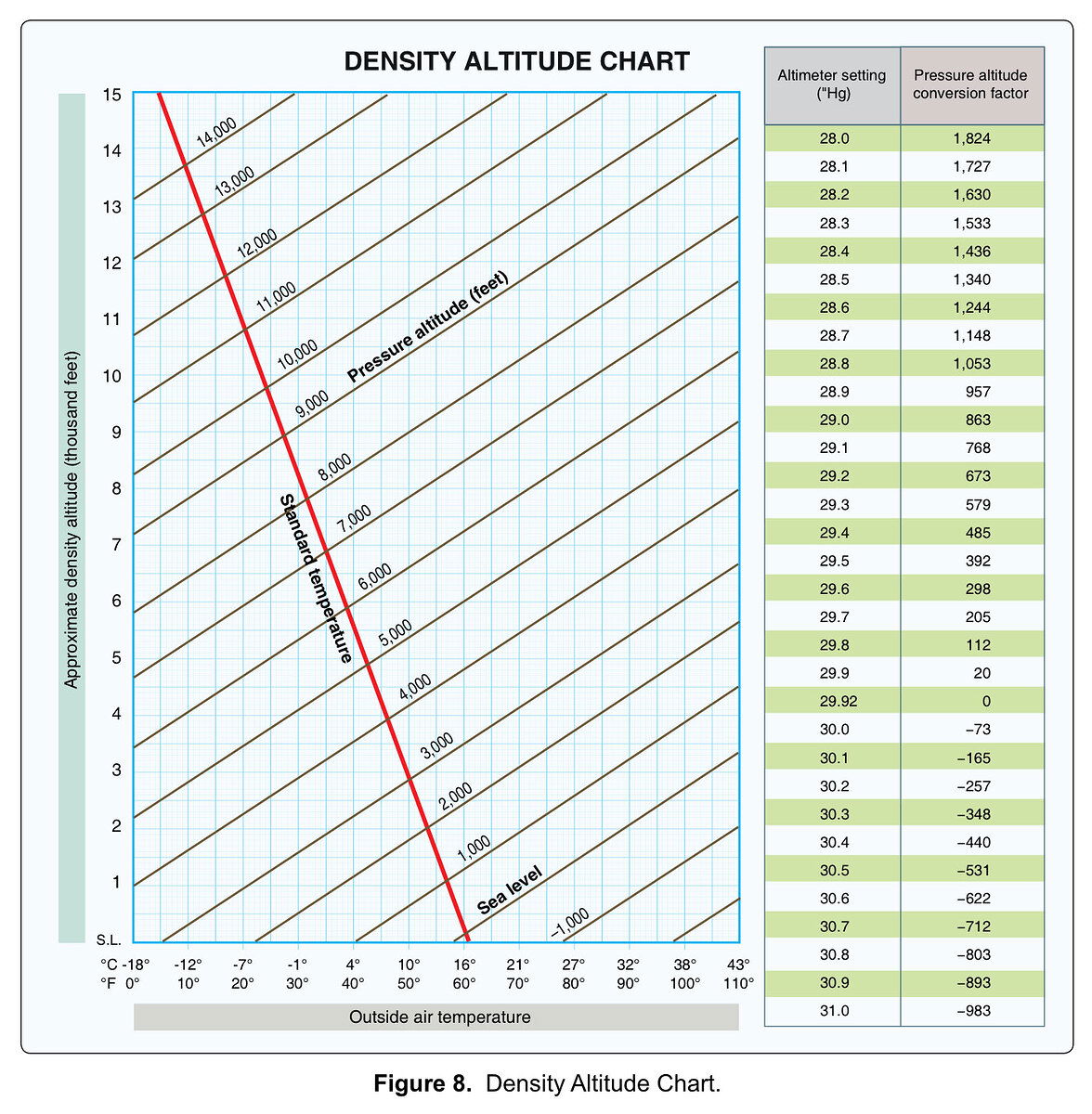
We aren’t going for the views. We are going for the density altitude. We have engineered a custom thrust stand—a mobile testing rig designed to anchor our turbine and measure real-time thrust, exhaust gas temperature (EGT), and fuel consumption in the exact environment where our finished aircraft will operate.
The Platform: 2M Composite Jet Airframe
Alongside the thrust stand, we are prepping our primary testbed, 2M fully composite airframe. It’s a beast of a machine—robust, voluminous, and capable of handling the modifications we are throwing at it. It is currently being assembled and outfitted with the avionics that will eventually communicate with our ground stations.

What’s Next?
This trip is Step One. Once we solve the propulsion puzzle, we move to the next phase: Control. (And yes, we have some radical ideas about Brain-Computer Interfaces that we will share soon).
For now, our focus is on the hardware. We are building, testing, and verifying.
Stay tuned to our feed. We’ll be sharing field notes from the expedition.
Invente. Building for the high ground.